
If you purchase through them, we may earn a small commission at no extra cost to you.
See our Disclaimer for full details.
Dust hangs in the air like a rumor you can almost taste. You’re chasing hidden towns with big stories, not glossy postcards. Start with patient questions, talk to locals, and seek permission before you poke around. Pack light, plan a slow day, and allow one detour that changes the whole vibe. If you want the real flavor, you’ll need to follow the thread where it leads—and that thread ends where you least expect.
Discovering Hidden Towns With Big Stories
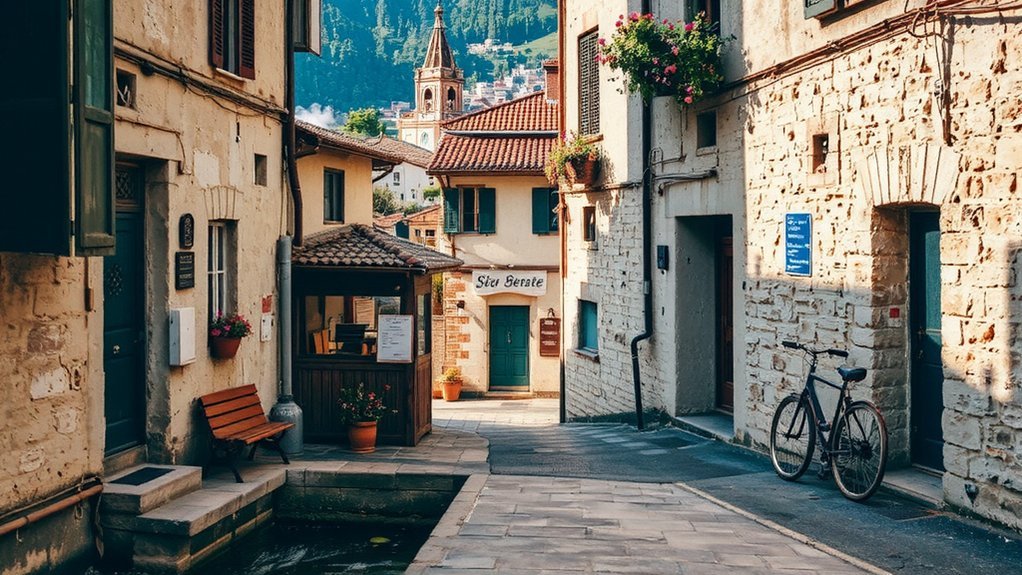
Ever wonder where the real stories hide—past the tourist brochures and glossy maps? You’ll find them in the backstreets, where ordinary becomes remarkable. You chase clues, not credits, and you learn the truth by listening to the wind in ghost towns. These places aren’t empty shells; they’re archives you can touch. You’ll notice faded signs, a store counter still set for customers, a rusting rail that once sprinted with trains. Each ruin carries hidden legends, a rumor you can prove with a photo, a note, a local chat. Stay curious but careful: go with permission, map a route, and time your visit for good light. When you leave, you’ll carry a sharper map of imagination. Keep notes, compare towns, and trust what eyes confirm.
Offbeat Landscapes That Spark Wonder
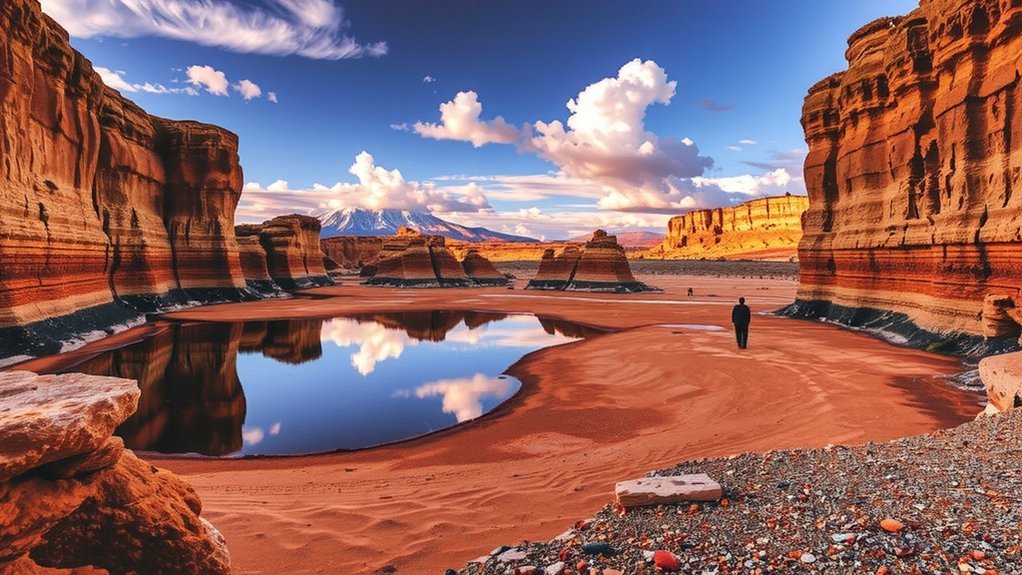
Where do landscapes stop being boring and start sparking awe? You’re chasing stuff that feels new, not bought from a brochure. Offbeat landscapes invite you to walk with your curiosity, not drag it like luggage. You’ll find lunar dunes where the sand glints coldly, and every step hints at another impossible sculpture your shoes almost wear down. You’ll map phantom arches that vanish behind heat haze, then reappear like a trick you want to try again. Bring a lightweight tripod, a notebook, and a camera that handles low light. Move slowly, test your angle, and let the wind tell you what’s genuinely rare. These places aren’t postcard miracles; they’re invitations to notice. Pack snacks, weather gear, and an open mind for unexpected wonders today.
Dream Itineraries for Real-Life Schedules

From those offbeat landscapes to actual trips, you don’t need a miracle—you need a sane timetable. You map a single day at a time, not a fantasy sprint. time budgeting isn’t harsh math; it’s a promise you keep to yourself. Guess what fits, ditch the rest, and move on. You’ll label blocks: transport, meals, quick naps, views. Keep it simple: 6–8 hours travel per week, 2 hours for meals, 1 hour for buffers. That’s your skeleton. Add logistical hacks: prebook, map transit, pack light. You’ll learn quick switches—skip museums if lines blow up; swap a sunset view for a smoother ride. This is real planning: practical, repeatable, repeatable, repeatable.
Add one backup plan per day with a 15‑minute cushion. Track progress, adjust, celebrate wins.
Balancing Must-See Sights With Serendipity

To get the best of both worlds, carve your day into must-see windows and serendipity blocks. You’ll map two lanes: a tight itinerary for landmarks and a loose grid for chances. Start with a must-see list at dawn, then leave gaps for planning spontaneity. When a museum line feels long, drift to a street market or a quirky cafe you didn’t plan. That’s where curated surprises happen. Pack a light, flexible plan: time boxes, not guilt trips. Use apps to pin back-up options, but don’t overschedule them. This balance lets you chase what matters while still catching the random spark. You control the pace, you choose the vibes, you own the moment. It’s practical, not precious, and it keeps memories vivid, not exhausting today.
Tailoring Trips to Your Interests: Outdoors, Cuisine, History, and Quiet Getaways

You start by pairing your day with outdoors or a quiet getaway, not both at once, then map a simple plan around it. Add in a cuisine or history trail that fits your mood—think a farm-to-table lunch after a woodland walk or a museum crawl on a drizzly afternoon. Set clear, doable steps: short routes, solid meal stops, and a backup quiet spot so you actually feel refreshed.
Outdoors and Quiet Getaways
A quiet escape doesn’t need a crowded trail. You can pick a simple route, then tune it to your pace, not the park’s timetable. Look for silent trails that let you hear your own breath and the birds, not shouting hikers. Pack light, bring a map, a snack, and a small chair for rests at mountain refuges where the air feels clean and the crowds stay behind. If you crave solitude, time your day for early light or late dusk, when the trails clear out. Choose destinations with easy access, clear signage, and predictable weather windows. Every stop is about quiet, not spectacle—compact, doable, memorable. Bring water, leave no trace, and celebrate small victories with instant photos and a dark sky for stargazing tonight.
Cuisine and History Trails
Think of it as slow-motion discovery: you hike a quiet route, then taste the place’s story. You’ll map a route that ties trails to taverns, markets, and kitchens, not just scenery. You’re chasing gastronomic footprints, where every bite echoes settlers, farmers, and trades. Let heritage menus reveal the region’s bold blends without drama. Sample a dish, ask who grew it, and where it came from. You’ll keep meals brief, but meaningful, pairing street food with a short walk between bites. The aim isn’t bragging; it’s learning through taste, with moments you can repeat. Use simple tools: a map, a notebook, a mentor at the next table. When the trail ends, review your notes, plan a next dish crawl, and share the memory with friends.
Practical Routes: Efficient Travel on Real Budgets
You trim costs fast with smart booking tactics—watch weekday prices, compare baggage rules, and snap up deals before they vanish.
Thrifty route planning means choosing direct routes when possible, using overnight options to save on lodging, and stacking savings with rail passes or bus combos.
Start by outlining 2–3 core stops, sketch the leanest path between them, and lock in prices early so your budget doesn’t outrun you.
Smart Booking Tactics
How can you snag smarter deals without turning booking into a scavenger hunt? You track prices like a pro, not a nervous shopper. Start with dynamic pricing alerts and set price ceilings you won’t break. When a flight drops, you pounce; when it climbs, you back off. Use loyalty programs, but don’t worship them—collect points on air, hotel, and car rentals, then cash in at the right moment. Compare bundles instead of single-booking puts, and don’t fear changing dates for better totals. Flexible search windows, midweek departures, and hidden-city tricks can save surprisingly big sums. Keep notes, test hypotheses, and stay curious about every little fee that sneaks in. You’ll train your instincts, trim waste, and book with confidence on the first try. Today.
Thrifty Route Planning
Three simple rules top my list for thrifty route planning: keep it simple, optimize legs, and don’t chase the illusion of a direct miracle. You map a route by segments, not miles. Compare two options side by side, one with a longer stretch but fewer stops, the other with quick hops and snacks for a budget-conscious traveler like you. Use budget shortcuts—avoid tolls, grab free rest areas, and pick fuel-efficient lanes. Sketch mileage hacks: group nearby cities, switch to off-peak hours, and rotate departure days to dodge big price spikes. Keep a backup plan, then test it with a dry run on a weekend. You’ll save time, gas, and headaches, proving thrifty doesn’t mean dull decisions. Stay curious, stay practical, stay ready for detours.
Embracing Serendipitous Detours for Rich Experiences
Why not let detours become your guide instead of roadblocks? You’ll find richer experiences when you follow a side street instead of marching on. Stay curious, map loosely, and let unplanned wanderings steer your day. When a cafe smells great, take the chance encounter, not the shortcut. Ask locals for one bonus stop, then actually go there. Pack light, leave time for slipups, and document what surprises you. Bring a small notebook or voice memo; jot quick observations. You’ll collect chance encounters, photos, and a story that costs nothing but attention. The point is simple: detours sharpen perception, not waste time. Decide in advance to swap speed for savor, then act. Keep it practical: choose a single detour, commit, and report what changed today.
Conclusion
You’re chasing hidden towns with big stories, not glossy postcards. Slow, steady, deliberate pacing wins here—one detour, one conversation at a time. Map routes, yes, but leave room for locals’ whispers and surprise arches. Pack light, spend smart, respect permissions, and linger where the light falls nicest. If a day feels right, stay. If not, move with it. The payoff? Texture, memories, and a trip that finally feels real, not photo-perfect. A slow path wins.